
Cooking Spring Veggies with Louis Sel Salt

It’s March. Spring is here (although the weather may not feel like it!)  In such a refreshing season, why not add a little green in your table? If you are looking for some seasonal vegetables for your new recipe, here are some tips for you. With the  start of spring , comes the welcome return of a host of beautiful, green seasonal vegetables to liven up your table. We’re sharing some favorite recipes with you that showcase these earthy and bright spring flavors.


Asparagus:

Asparagus is harvested from March through June, depending on your region. Note that thickness in no way indicates tenderness, which is related to how the plant is grown and how soon it is harvested rather than texture.
 

1.jpg

We suggest: Roasted Asparagus with Fleur de Sel and Parmesan

  1. Preheat oven to 400 degrees F (200 degrees C).

  2. Place wash and trimmed asparagus in a large bowl. Add fresh shaved or grated Parmesan cheese, extra virgin olive oil, Louis Sel Fleur de Sel, lemon juice, and lemon zest. Toss to coat evenly.

  3. Transfer asparagus to a baking dish in a single layer. Bake until asparagus is tender and beginning to brown, stirring occasionally, about 15 minutes.


Beets:

Vitamin-rich beets are at their best when in season in temperate climates fall through spring. Fresh beets are often sold with their dark, leafy greens still attached.

2.jpg

We suggest: Beet Salad with Louis Sel Salt

1.     Place beets and fill with enough water to cover. Bring to a boil, and then cook for 20 to 30 minutes, until tender. Drain and cool, then cut in to cubes.

2.     Toss beets with olive oil and sel marin with herbs.

3.     In a small bowl, whisk together lemon juice, olive oil, dijon mustard, and Louis Sel Fleur de Sel.

4.     Drizzle over arugula, add crumbled goat cheese and halved cherry tomatoes.


Peas:

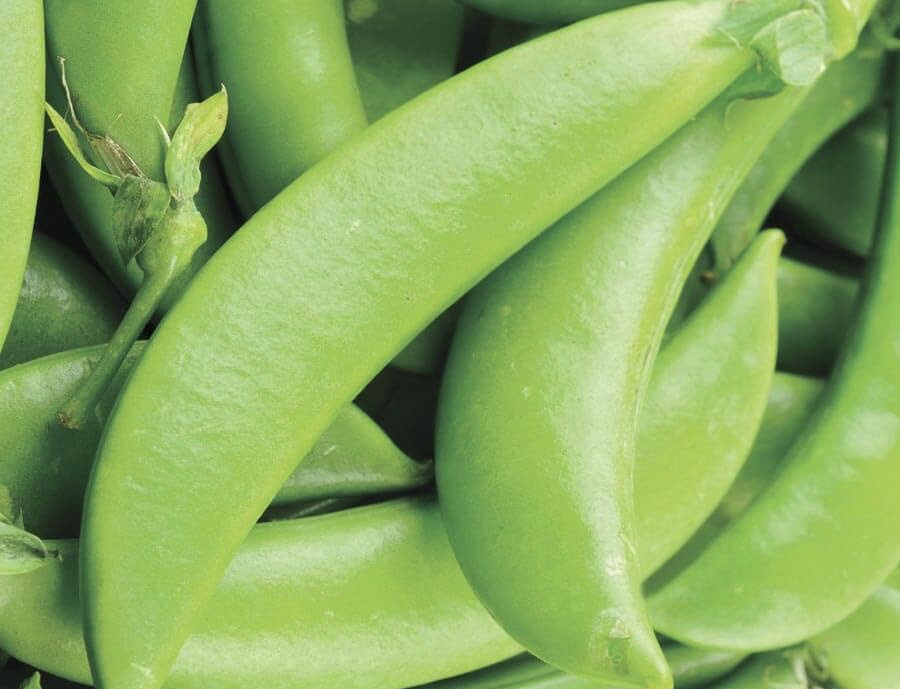
There are two basic kinds of peas: garden peas, which require shelling, and snow or sugar peas, which yield edible pods. No matter which you prefer, eat them with gusto, as these little gems are an excellent source of iron, protein, vitamin C and soluble fiber.
3.jpg

We suggest: Roasted Sugar Snap Peas with Fleur de Sel

  1. Preheat the oven to 450 degrees, and line a baking sheet with parchment paper.

  2. Wash sugar snap peas, pat dry and trim the ends.

  3. Roast for 20 minutes or until brown and crispy, flipping halfway. Sprinkle with a generous amount of Louis Sel Fleur de Sel and serve warm.
Welcome to Louis Sel

Salt is found in kitchens all over the world, but do we truly appreciate the role it plays in our lives?

Most of us take this precious ingredient for granted because we don’t understand its value.

1.jpg

If I told you that every crystal tells its own story, that every mouthful is an opportunity for people to travel and discover the world, would you believe me?

Well, you should.

While they share the same water, the taste of salt collected from either side of the same ocean is totally different. The secret to each salts’ distinct flavor profile lies within the unique minerals, climates, and harvesting processes from which they came from. Can you imagine? All it takes is a change in the wind or ocean tide to alter the flavor of your salt, and elevate meals in a different manner.

2.jpg

Each salt you taste has its own story.

Louis Sel wants to share with you the story about the ancient tradition of Fleur de Sel. The beautiful name translates into “flower of salt” in French, which originates from the flower-like patterns made by crystals in the salt crust.

3.png

In France, sea salt harvesters are called paludiers. Guérande, a small town on the west coast of France, is known to be where paludiers have lived and collected sea salt since the 9th  century.

With its beaming sunlight and gentle breezes, Guérande’s summers are perfect for harvesting sea salt. The delicacy of Fleur de Sel requires it to be gathered by hand in small quantities. Every summer, paludiers go out to the natural marshes and collect the pure, immaculate sea salt with their own hands. In fact, it is said that even the taste of Fleur de Sel varies according to the hands of different paludiers. The Fleur de Sel is then delicately skimmed off the crystallizers at dusk during the summer harvest. The whiteness and pure quality is due to the fact that it does not float to the bottom and mix with the clay and minerals.

4.jpg

For the paludiers in Guérande, harvesting Fleur de Sel is more than just a job. It’s an art, a treasure, and a culture passed from generation to generation.

The Fleur de Sel imported by Louis Sel is harvested by Gilles Morel and his nephew Matthieu Le Chantoux, paludiers whose dedication and passion shine through each salt crystal they collect. Vent d'Ouest and Vent d'Est are two different kinds of crystals from their lands - literally from the west wind and east wind.

Vent d'Ouest: Slightly larger crystals form from the west-blowing ocean wind creating crunchier and bigger crystals.

Vent d'Est: Delicate and smaller crystals form from the drier eastern wind creating refined crystals that are more subtle on the palate.

Highly favored by gourmets and chefs, Fleur de Sel is a perfect finishing salt for any dish. Just add a sprinkle of it to your steak, fish, or salads; it will take the taste of your food to a higher level.

5.png

Get a taste of Louis Sel’s Fleur de Sel, and transport yourself to where it all started on the salty marshes of the Atlantic in Guerande.

Are your taste buds ready to take a gourmet journey with Louis Sel?